Key Takeaways
- Modern strategies improve user engagement
- Scalable systems support business growth
- Better experiences increase conversions
- Technology creates long-term advantages
In today’s digital world, users have endless options available at their fingertips. Whether they visit a website, use a mobile application, or interact with a SaaS platform, their expectations are higher than ever.
A visually attractive design may grab attention, but great UI/UX design keeps users engaged.
User Interface (UI) and User Experience (UX) are essential components of any digital product. Together, they shape how users interact with your platform and influence how they feel throughout their journey.
Businesses that invest in quality UI/UX design often see improvements in engagement, retention, and overall customer satisfaction.
Understanding UI and UX Design
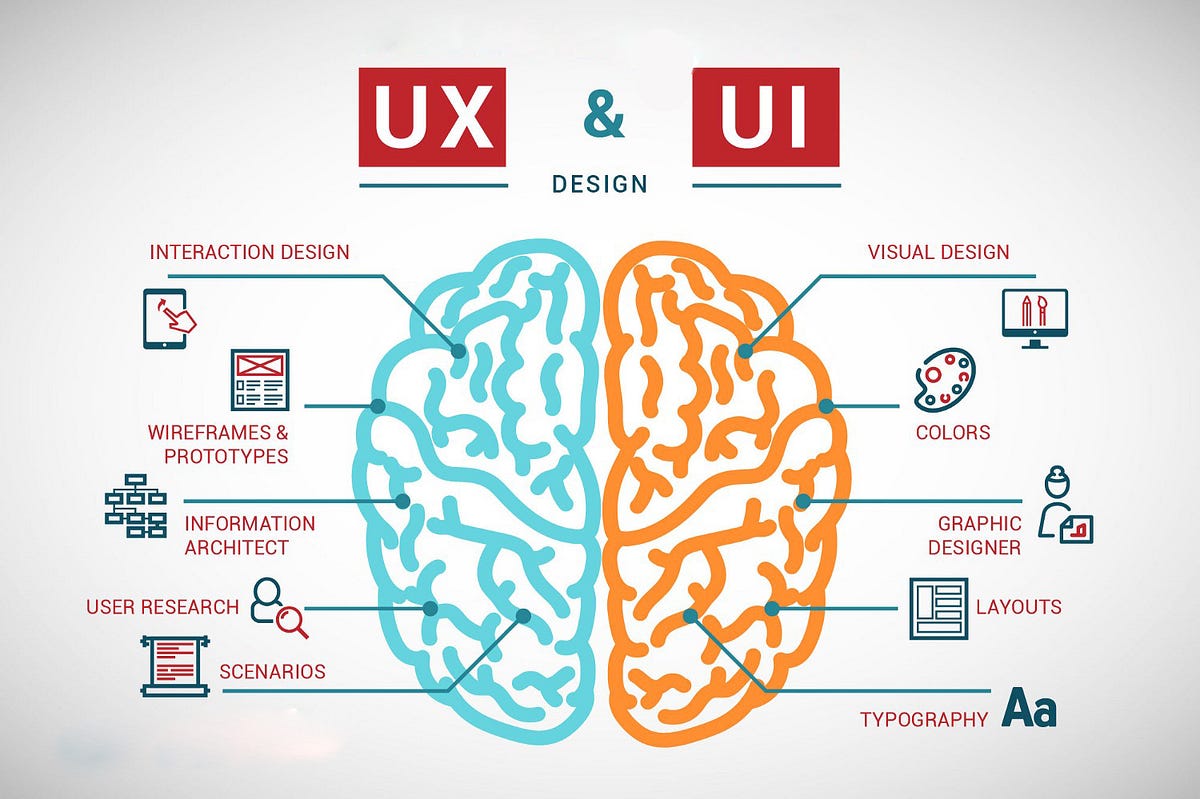
Although often used together, UI and UX serve different purposes.
User Interface (UI)
UI focuses on the visual elements users interact with, including:
- Buttons
- Colors
- Typography
- Layouts
- Icons
- Navigation elements
UI is responsible for creating visually appealing experiences.
User Experience (UX)
UX focuses on how users interact with a product and how easy the journey feels.
UX includes:
- User research
- Information architecture
- User flows
- Accessibility
- Usability testing
Together, UI and UX create meaningful and effective digital experiences.
First Impressions Matter
Users often decide within seconds whether they want to continue using a website or application.
Poor design can immediately create problems such as:
- Confusing navigation
- Slow interaction
- Cluttered layouts
- Difficult readability
A clean and modern interface creates trust and encourages users to explore further.
Good first impressions increase the chances of users staying longer and engaging with your content.
Better Navigation Improves User Retention
Users should never feel lost while interacting with a product.
Effective navigation helps users:
- Find information quickly
- Complete tasks easily
- Move smoothly between pages
- Understand available actions
When users can achieve their goals without confusion, they are more likely to return.
Simple navigation often leads to stronger engagement and lower bounce rates.
Faster Experiences Keep Users Interested
Speed is a major part of user experience.
Users expect websites and applications to load quickly and respond immediately.
Slow experiences can result in:
- Frustration
- Higher abandonment rates
- Reduced engagement
- Lost conversions
Optimized UI/UX design focuses on creating fast, responsive experiences across all devices.
Mobile-Friendly Design Matters
Mobile devices generate a large portion of internet traffic today.
Users expect websites and applications to function seamlessly on:
- Smartphones
- Tablets
- Desktop devices
Responsive UI/UX design ensures:
- Proper layout adjustments
- Easy interactions
- Faster navigation
- Consistent experiences
Businesses that prioritize mobile experiences often achieve stronger engagement levels.
Personalization Creates Stronger Connections
Users appreciate experiences tailored to their needs and preferences.
Modern UI/UX strategies use personalization features such as:
- Customized content recommendations
- Personalized dashboards
- Smart notifications
- Dynamic experiences
Personalization helps users feel understood and increases interaction with digital products.
Accessibility Expands Your Audience
Accessibility ensures that products can be used by a wider range of people.
Good accessibility practices include:
- Readable typography
- Proper contrast ratios
- Keyboard navigation
- Screen-reader compatibility
- Clear content structure
Accessible designs improve experiences for all users, not only those with disabilities.
Consistent Design Builds Trust
Consistency plays a significant role in user engagement.
When users encounter consistent:
- Colors
- Layouts
- Buttons
- Navigation patterns
- Interactions
they learn how the system works faster and feel more comfortable using it.
Consistency reduces confusion and strengthens brand recognition.
Great Design Leads to Better Conversions
Engagement and conversions often go hand in hand.
Well-designed interfaces help users:
- Sign up faster
- Complete purchases
- Submit inquiries
- Interact with features
- Stay on platforms longer
Small design improvements can significantly influence business results.
Conclusion
Great UI/UX design is not simply about creating visually attractive products. It focuses on delivering meaningful experiences that users enjoy and understand.
From intuitive navigation and responsive layouts to personalization and accessibility, strong UI/UX design helps businesses create deeper connections with users.
Organizations that invest in user-centered design can improve engagement, strengthen customer relationships, and achieve better long-term results.
Looking to create engaging digital experiences? Aprator helps businesses design intuitive and user-focused interfaces that drive real results.