Key Takeaways
- Modern strategies improve user engagement
- Scalable systems support business growth
- Better experiences increase conversions
- Technology creates long-term advantages
Startups operate in highly competitive environments where speed, flexibility, and efficiency play a major role in long-term success. Building the right technology foundation early can significantly impact growth and operational performance.
One of the most effective ways modern startups achieve this is through scalable SaaS platforms.
Software as a Service (SaaS) has transformed how businesses develop, manage, and deliver digital products. Instead of relying on traditional software models, startups are increasingly adopting cloud-based SaaS solutions to improve efficiency and scale faster.
What Is a SaaS Platform?
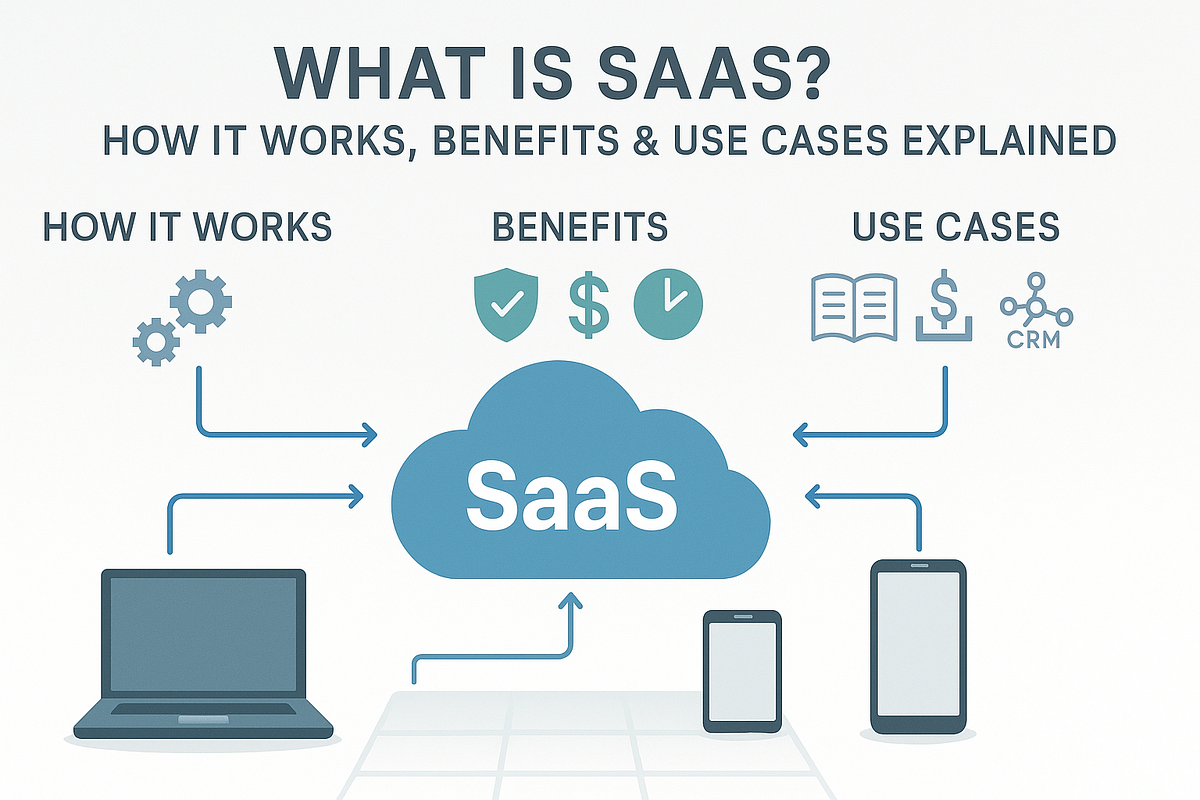
A SaaS platform is cloud-based software that users access through the internet rather than installing directly on individual devices.
Common examples include:
- Customer Relationship Management (CRM) systems
- Project management tools
- Marketing platforms
- Collaboration software
- Accounting systems
- Business automation tools
SaaS platforms provide users with flexibility while reducing infrastructure and maintenance complexity.
Reduced Initial Costs
One of the biggest challenges for startups is managing budgets effectively.
Traditional software development often requires:
- Expensive infrastructure
- Hardware investments
- Dedicated servers
- Continuous maintenance costs
Scalable SaaS platforms significantly reduce these expenses by using cloud infrastructure and subscription-based models.
Instead of large upfront investments, startups can allocate resources toward product development, customer acquisition, and business growth.
Easy Scalability for Growth
Growth is the primary goal of every startup.
As your business expands, you may experience:
- Increased users
- Higher traffic volumes
- More customer data
- Additional features and integrations
A scalable SaaS platform allows your system to grow without major rebuilding efforts.
Businesses can easily add:
- More users
- Additional storage
- New features
- Advanced integrations
- Expanded functionality
Scalability ensures your technology grows alongside your company.
Faster Product Launches
Speed matters in competitive markets.
Building traditional software systems from scratch can delay product launches and increase development complexity.
SaaS platforms help startups:
- Reduce development time
- Launch products faster
- Test business ideas quickly
- Validate market demand
Early market entry provides startups with valuable feedback and a competitive advantage.
Better Accessibility and Collaboration
Modern teams often work remotely or across multiple locations.
Cloud-based SaaS solutions allow employees and stakeholders to:
- Access systems from anywhere
- Collaborate in real time
- Share information instantly
- Maintain productivity across devices
This flexibility improves communication and operational efficiency.
Improved Security and Reliability
Security is a critical concern for growing businesses.
Scalable SaaS solutions often include:
- Data encryption
- Secure authentication systems
- Regular updates
- Backup systems
- Advanced security monitoring
Cloud providers also invest heavily in maintaining system reliability and protection.
This helps startups reduce technical risks while protecting customer information.
Better Customer Experiences
Customer expectations continue to evolve.
Users expect:
- Fast performance
- Seamless experiences
- Personalized interactions
- Reliable access
Scalable SaaS platforms help startups deliver consistent user experiences by maintaining performance even as traffic and demand increase.
Satisfied customers often lead to better retention and stronger business growth.
Data-Driven Decision Making
Successful startups rely on accurate information.
Modern SaaS systems provide:
- Analytics dashboards
- Performance metrics
- User behavior insights
- Sales reporting
- Customer activity tracking
These insights help businesses make informed decisions and optimize strategies.
Competitive Advantages for Startups
Using scalable SaaS platforms allows startups to:
- Reduce operational costs
- Increase efficiency
- Improve collaboration
- Adapt quickly to market changes
- Deliver better customer experiences
- Support long-term growth
Companies that build strong technology foundations early often position themselves for future success.
Conclusion
Scalable SaaS platforms are no longer optional for many startups. They provide flexibility, lower costs, improved efficiency, and the ability to support rapid business growth.
As startups continue evolving in increasingly competitive markets, investing in scalable technology becomes a strategic decision rather than simply a technical choice.
Businesses that adopt the right SaaS solutions early can create stronger products, improve operations, and build a foundation for long-term success.
Looking to build a scalable SaaS platform? Aprator helps startups create secure, flexible, and growth-focused software solutions designed for modern businesses.